With the trade deadline behind us, the final stretch of the NBA regular season often shifts from competition to calculation. Several franchises are no longer chasing playoff positioning — they are managing losses strategically to protect draft assets or improve lottery odds. Here is a structured breakdown of which teams are most likely to lean into tanking over the final two months, and why their incentives differ.
The Post-Deadline Reality: Why Tanking Accelerates Now
Once the trade deadline passes, incentives change dramatically.
Teams can no longer reshuffle rosters. There is no reason to inflate player value ahead of trades. Front offices shift focus toward draft positioning, especially in a year projected to feature a strong and deep class.
Not every struggling team is tanking intentionally. Some simply lack the roster strength to compete. Others, however, have very clear structural incentives to lose.
For clarity, we divide potential tanking teams into three categories:
- Teams trying to protect a draft pick.
- Teams that temporarily control their own draft capital.
- Teams simply looking to improve lottery position.
Before we begin, three teams are notably absent:
- New Orleans and Atlanta do not control their 2026 first-round picks.
- Charlotte has surged into the Play-In race and appears committed to competitive development.
- Milwaukee has draft complications tied to New Orleans and Atlanta, but Giannis Antetokounmpo has publicly indicated he intends to return once healthy, and the organization does not appear positioned to tank.
Now to the primary candidates.
Group 1: Protecting a Draft Pick
Washington Wizards (14–38, 14th in East)
Washington’s 2026 first-round pick is protected in the Top 8. If it falls outside that range, it conveys to New York.
The math is straightforward:
- Bottom 4 finish → pick guaranteed retained.
- 5th worst → 0.6% chance of losing it.
- 6th worst → 3.9%.
- 7th worst → 14.2%.
- 8th worst → 39.2%.
Remaining near the bottom is essential.
This explains the cautious approach to the potential debuts of Trae Young and Anthony Davis. Public messaging suggests patience rather than urgency. The likely scenario: build enough of a cushion in the standings, then selectively showcase Young–Davis late in the season against weaker opponents.
The difference between 28th and 30th overall is marginal in lottery structure, but staying within the bottom four removes uncertainty entirely.
Washington’s strategy is transparent: secure another premium talent in a strong draft class to accelerate its rebuild.
Utah Jazz (17–37, 13th in West)
Utah has been rebuilding for nearly four years since trading Rudy Gobert and Donovan Mitchell.
Now, structural pressure is increasing.
The organization recently reshuffled its basketball operations leadership, signaling an intent to transition from asset accumulation to competitive rebuilding. However, the 2026 draft pick remains protected in the Top 8 — creating a short-term incentive to finish near the bottom.
Utah recently added Jaren Jackson Jr., whose defensive versatility fits their long-term vision, especially alongside Walker Kessler. But if the team accelerates too quickly, it risks losing a valuable protected pick.
The schedule ahead likely involves:
- Increased minutes for young players.
- Conservative medical decisions for veterans.
- Controlled rotation management.
Utah still controls substantial draft capital long term. Protecting this pick strengthens their flexibility entering the 2027 cycle.
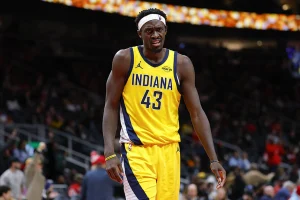
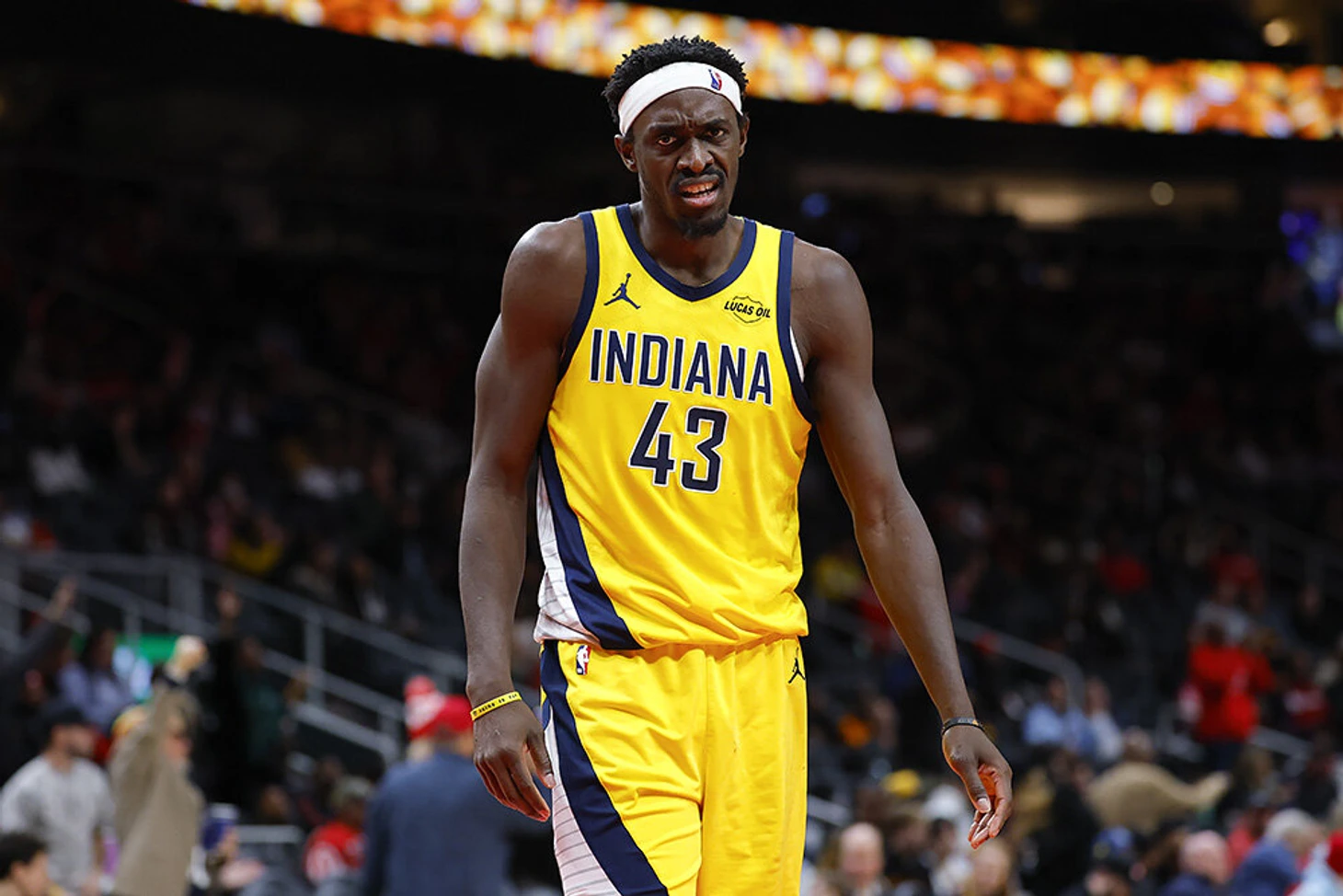
Indiana Pacers (13–40, 15th in East)
Indiana’s situation is uniquely complicated due to conditional protections tied to the Clippers.
Their 2026 pick stays in Indiana if it lands:
- 1–4
- 10–30
If it falls between 5–9, it conveys to Los Angeles.
The cleanest way to guarantee retention is finishing 21st or worse overall, which would likely place the pick 10th or 11th.
However, Indiana faces a strategic dilemma:
- Push upward and risk landing 5–9?
- Tank harder and maximize Top 4 probability (~52% if bottom 3)?
Rick Carlisle has already cited injury management concerns for Ivica Zubac. Expect cautious handling of core players and strategic rotation management.
Indiana’s long-term structure is stable — Tyrese Haliburton and the core are locked into multi-year deals. A high pick in a strong draft would significantly accelerate their competitive window.
Group 2: Still Control Their Own Pick (For Now)
Brooklyn Nets (15–37, 13th in East)
Brooklyn controls significant draft capital through 2032 and does not yet face external pressure to compete.
The Nets used the deadline to absorb contracts and accumulate second-round picks rather than push for wins. They are maintaining optionality.
Their 2027 first-round pick belongs to Houston, meaning next season’s strategy will likely shift toward competitiveness. For now, the objective is simple: finish as low as possible to maximize 2026 positioning.
Expect development minutes for young players and minimal urgency to close games.
Dallas Mavericks (19–33, 12th in West)
Dallas faces a stark reality: after 2026, they lack control of their own first-round picks until 2031.
The Anthony Davis trade did not replenish draft flexibility, and the Luka Dončić departure has left long-term uncertainty.
This season may represent the final realistic opportunity to secure a high lottery pick for several years.
Dallas is currently on a seven-game losing streak. However, they already have 19 wins, while the bottom five teams sit at 14 or fewer. Climbing into bottom-three territory will be difficult.
Even finishing sixth worst only yields a 37% Top 4 chance.
Dallas has limited alternatives. Strategic losses are likely, but structural positioning may not be low enough to guarantee elite odds.
Group 3: Seeking Better Positioning
Memphis Grizzlies (20–32, 11th in West)
Memphis appears to be pivoting.
After trading Desmond Bane and Jaren Jackson Jr., the franchise has accumulated substantial assets. The organization may opt for a soft tank — not bottoming out entirely, but deprioritizing Play-In contention.
Ja Morant’s trade value has deteriorated significantly. With limited external interest, Memphis may instead focus on development, asset evaluation, and draft improvement.
Expect experimentation and rotation volatility.
Sacramento Kings (12–43, 15th in West)
Sacramento has lost 13 straight games — the longest active streak in the NBA.
Attempts to trade key veterans failed. Salary structure remains heavy. Locker room tension reportedly persists.
Their only remaining lever is draft position.
However, Sacramento’s lottery history has been inconsistent, raising skepticism about long-term execution even if they secure a high pick.
Still, competitive incentives are gone. The remainder of the season is likely to be development-focused.
Chicago Bulls (24–29, 11th in East)
Chicago was among the most active teams at the deadline, completing seven trades and accumulating eight second-round picks.
However, the teardown may be late.
At 24 wins, Chicago is far from bottom-tier positioning. Even finishing eighth worst provides only a 26% Top 4 chance.
Management has publicly stated a desire to escape mediocrity, but structural limitations reduce tanking effectiveness at this stage.
Chicago’s situation is less about deliberate losing and more about delayed rebuilding.
Final Assessment: Who Is Most Committed to Tanking?
Clearest incentives:
- Washington
- Utah
- Indiana
Strategic but less guaranteed:
- Brooklyn
- Dallas
Soft or opportunistic tanking:
- Memphis
- Sacramento
- Chicago
As the season enters its final phase, lottery mathematics will drive roster decisions as much as basketball performance.
The race to the bottom may not be glamorous — but for several franchises, it is the most rational path forward.