This NBA weekend did not announce itself as a turning point on the calendar, but it felt like one nonetheless. Not because of a single iconic game or headline-grabbing buzzer-beater, but because the league’s patterns are beginning to harden. Teams know who they are. Coaches are shortening leashes. Young players are no longer being evaluated—they are being trusted, or exposed.
Across a packed slate of games, the league offered a little of everything: dominant individual performances, quietly significant wins, worrying collapses, and several matchups that felt far more like playoff previews than mid-January contests. The NBA never truly pauses, but this weekend marked the point where the regular season stops experimenting and starts telling the truth.
Cooper Flagg and the New Reality in Dallas
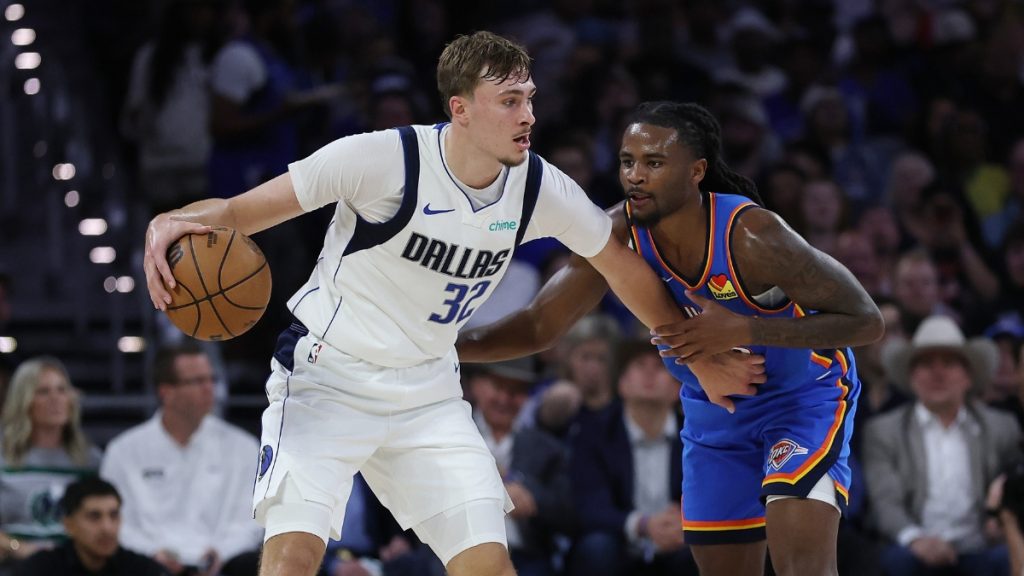
The Dallas Mavericks remain inconsistent, but one conclusion now feels unavoidable: Cooper Flagg is no longer a rookie learning on the job. He is the center of the franchise’s present.
In a statement win against the Denver Nuggets, Flagg delivered one of the most complete performances of the season—33 points, 9 rebounds, and 9 assists—controlling the game without forcing it. Denver threw different looks at him: switches, late help, aggressive closeouts. Flagg adjusted possession by possession, punishing hesitation and finding teammates when pressure arrived early.
Two nights later, against a physical Minnesota Timberwolves defense, the numbers were less spectacular but the impact remained. Flagg scored 21, handed out 8 assists, and spent multiple late-game possessions guarding Anthony Edwards. Dallas lost narrowly, but the message was clear: the ball belongs to Flagg when it matters.
This is no longer developmental usage. Dallas is not grooming him for responsibility—it is already giving it to him. For a 19-year-old, that level of trust is rare. For Dallas, it may be the only coherent direction they have.
Boston Celtics: Function Over Flash
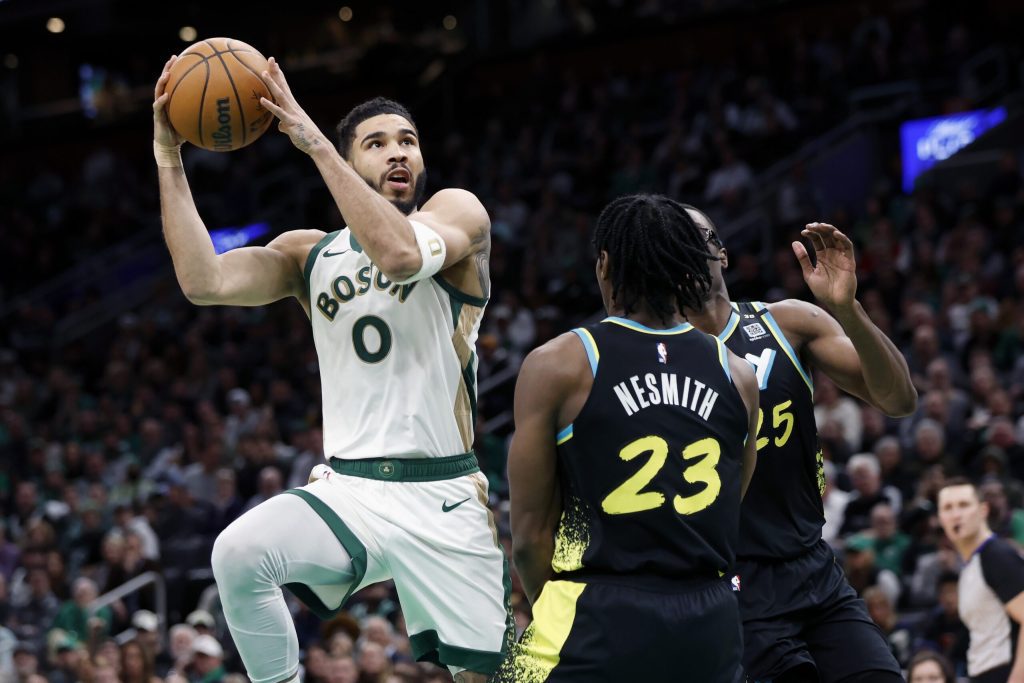
Boston’s weekend was a reminder of what sustainable excellence looks like. Two wins, two very different scripts.
Against Miami, the Celtics won with defense and discipline. They clogged the paint, denied easy reads, and forced the Heat into late-clock decisions. No single player dominated offensively, but Miami never found a rhythm.
Against Cleveland, Boston flipped the approach. The ball moved quickly, shooters were active, and the Cavaliers were punished for slow rotations. Jayson Tatum and Jaylen Brown were efficient rather than explosive, while Jrue Holiday and Derrick White quietly controlled the structure of the game.
Boston does not overwhelm opponents with novelty. They beat teams by executing better, longer, and with fewer mistakes. This weekend reinforced why they remain the standard in the Eastern Conference—not because they are perfect, but because they are stable.
Philadelphia and the Weight on VJ Edgecombe

Philadelphia split its weekend games, but the spotlight stayed fixed on rookie VJ Edgecombe. Once again, he logged nearly 40 minutes per game—an enormous workload for a first-year player in January.
Against Chicago, Edgecombe thrived. He attacked the rim relentlessly, created transition opportunities, and recorded 24 points, 6 assists, and 3 steals. When Joel Embiid rested, Edgecombe became the engine.
Two days later, against Milwaukee, the cost of that responsibility showed. His energy dipped late, his finishing suffered, and decision-making slowed under pressure. The tools were still there; the legs were not.
This is the balance Philadelphia must manage carefully. Edgecombe’s versatility is essential to their success, but the NBA season rarely rewards overuse. Development is not linear when fatigue enters the equation.
Kon Knippel and Charlotte’s Quiet Progress
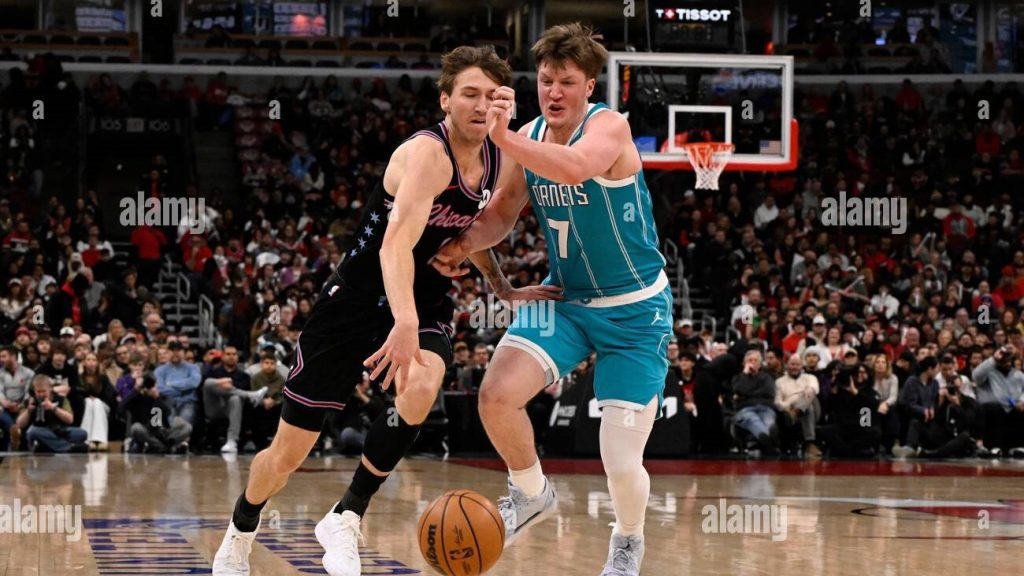
Charlotte may not be winning often, but they are building something coherent—and Kon Knippel is at the center of it.
Knippel followed up recent scoring explosions with another efficient weekend, averaging over 20 points while maintaining elite three-point accuracy. More importantly, his offensive role continues to expand. Defenses are now closing out hard, and Knippel is punishing that pressure with decisive drives and timely passes.
What separates Knippel from many young shooters is restraint. He avoids inefficient mid-range attempts, attacks space rather than defenders, and understands when to move the ball. His growth as a secondary playmaker suggests real long-term value, not just scoring flashes.
Charlotte remains far from competitive relevance, but their losses are no longer chaotic. They are structured, purposeful, and increasingly informative.
New Orleans Pelicans: Talent Without Shape
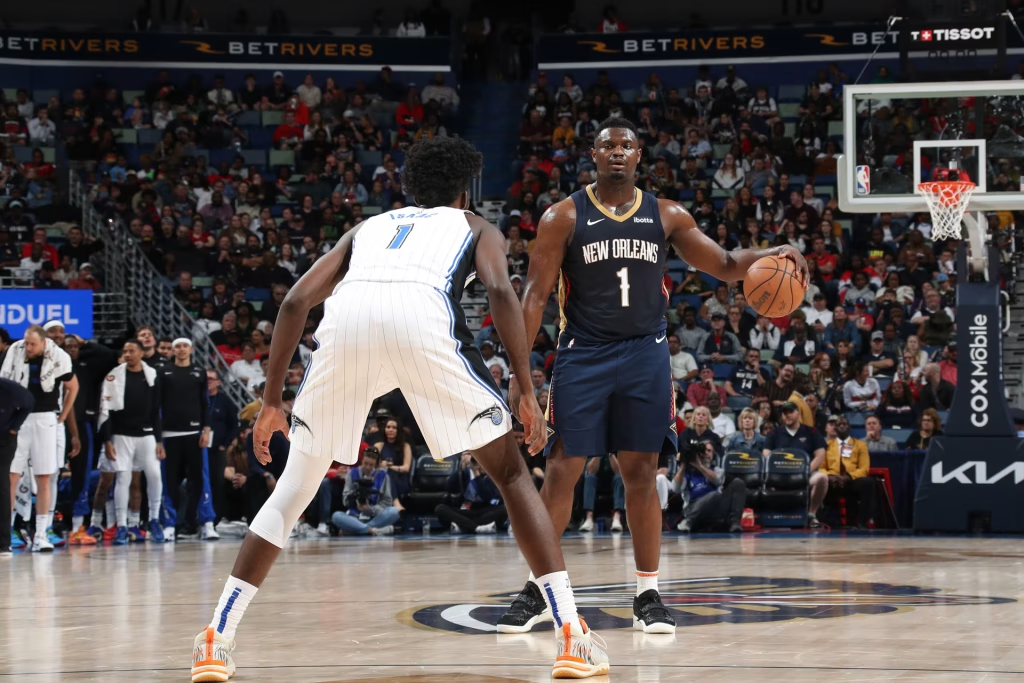
New Orleans endured a difficult weekend, dropping two games convincingly and exposing familiar issues. The Pelicans want to play fast, but lack spacing. They want to dominate inside, but defenders collapse without fear of punishment.
Jeremiah Fears continues to struggle with efficiency, while Dereck Queen oscillates between brilliance and confusion. Queen’s flashes—creative passes, unexpected ball-handling—are undeniable. But so are the defensive lapses and questionable shot selection.
This is not a crisis, but it is a warning. Without clearer offensive structure and reliable shooting, New Orleans risks stagnation. The roster has ability, but identity remains elusive.
Brooklyn Nets and Egor Demin’s Maturity
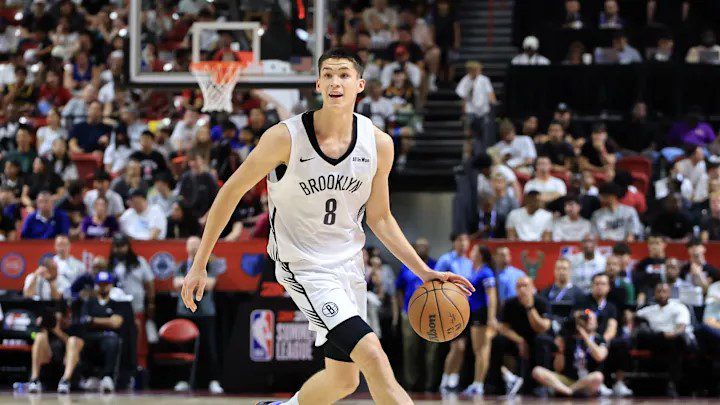
Brooklyn continues to win quietly, and Egor Demin continues to earn responsibility. Over the weekend, Demin posted two composed performances, combining efficient scoring with calm late-game execution.
What stands out is not volume, but timing. Demin’s clutch shooting came after defensive stops, smart positioning, and patient ball movement. He does not rush. He does not hunt shots. He waits for the game to present itself.
Brooklyn’s trust in Demin is evident. He is handling more late possessions, even with veterans on the floor. That trust is earned, not gifted—and it speaks to his feel for the game.
The Western Conference Reality
In the West, margin for error remains minimal. Oklahoma City, Minnesota, and Denver all secured important wins, but none looked untouchable.
OKC remains the most consistent, with Shai Gilgeous-Alexander continuing his MVP-caliber campaign. Minnesota’s defense turns every game into a physical grind. Denver still closes games better than almost anyone, even when execution falters earlier.
The West offers no comfort. Young teams learn quickly or fall behind. Veteran teams must execute nightly. Every win matters
Final Thoughts: The Season Stops Pretending
This weekend did not crown champions or eliminate contenders, but it clarified the landscape. Rookies like Cooper Flagg, Kon Knippel, and Egor Demin are no longer playing to “gain experience”—they are shaping outcomes. Teams are leaning into strengths and confronting weaknesses.
The NBA season is long, but momentum is real. Some teams left the weekend richer in confidence and clarity. Others left with questions that can no longer be delayed.
The season is still unfolding. But after this weekend, it is speaking more honestly.