The NBA has become faster, more intense, and more physically demanding, forcing many teams to reduce the playing time of their biggest stars. Load management is now standard practice across the league. Still, even in this environment, there are players who carry enormous workloads night after night. Here is a closer look at the NBA players logging the most minutes per game this season, with eligibility requiring participation in at least 75% of team games.
Tyrese Maxey, 25 — Guard, Philadelphia 76ers (16–14)
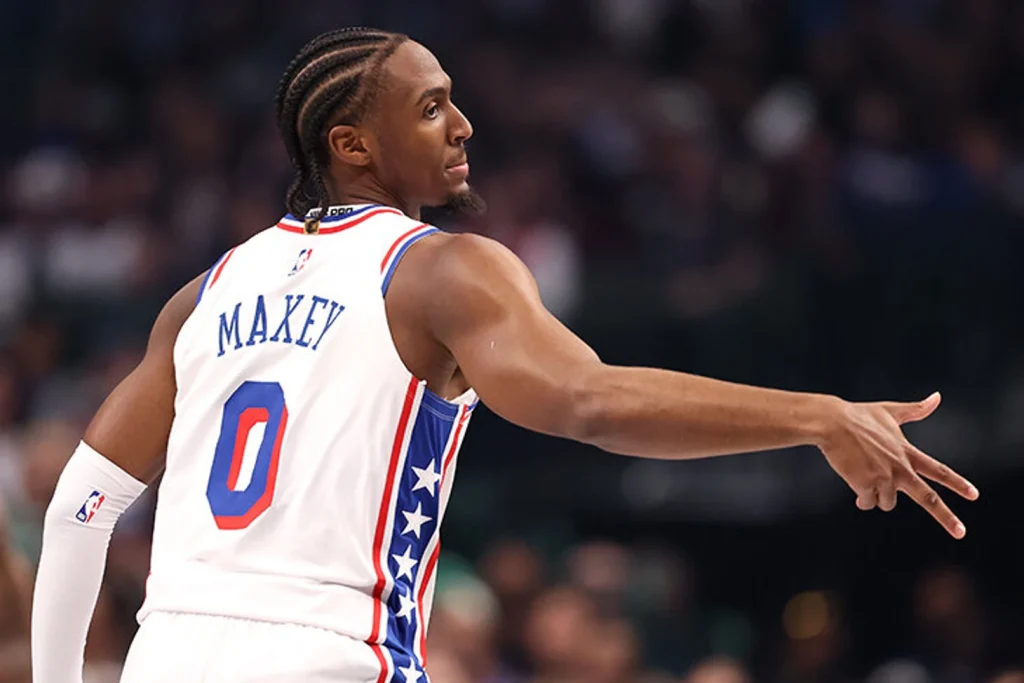
28 games, 39.7 minutes per game
30.7 points, 6.9 assists, 4.4 rebounds, 1.8 steals, 2.7 turnovers
46.1% FG — 39.1% 3PT — 89% FT
Tyrese Maxey’s workload borders on extreme, even by modern NBA standards. Drafted outside the lottery in 2020, he quickly became a rotation staple and earned a starting role in his second season. Since Nick Nurse took over in Philadelphia in the summer of 2023, Maxey’s responsibilities have only grown.
For the third consecutive year, Maxey is averaging well over 37 minutes per game. This season, he is pushing the 40-minute mark, a threshold rarely reached in today’s league. While many stars sit out games or see their minutes managed carefully, Maxey continues to play through nearly every competitive situation. He has appeared in 28 games, missing only two due to illness rather than injury.
With Philadelphia hovering near the edge of the Eastern Conference top six, Maxey has become the engine of the team. His production — over 30 points per game with strong shooting efficiency — has placed him firmly in MVP conversations. Even as the roster gradually regains health, Nurse continues to lean heavily on his fastest and most reliable guard whenever games remain close.
The concern, of course, is sustainability. Maxey is under contract through 2029, and while the short-term payoff is clear, the long-term physical cost of such a workload remains an open question.
Amen Thompson, 23 — Guard/Forward, Houston Rockets (20–10)
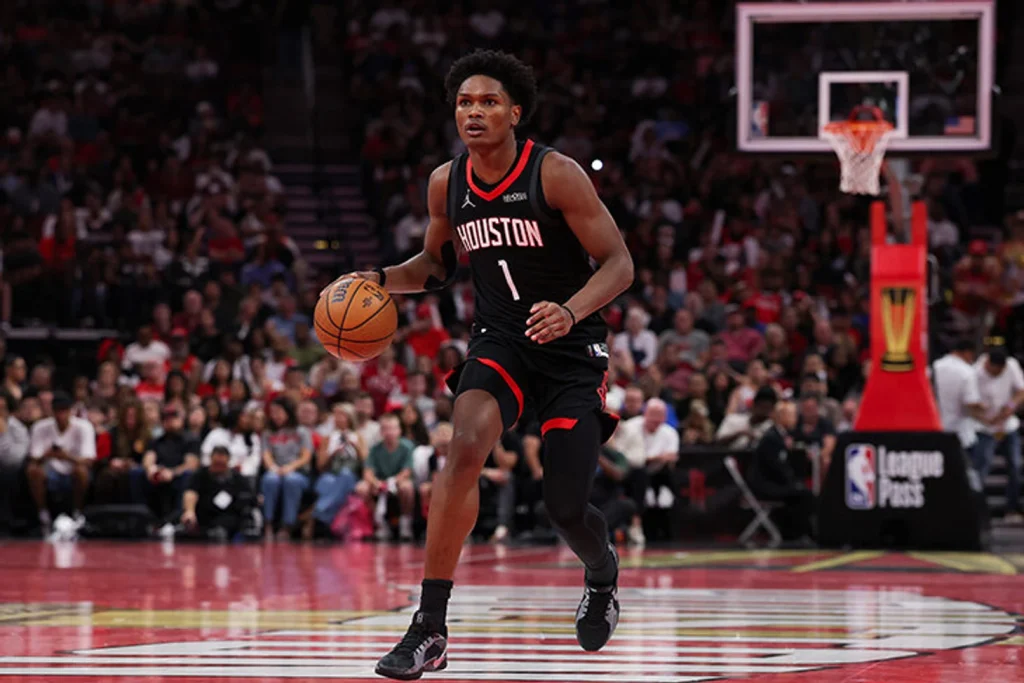
30 games, 36.7 minutes per game
17.8 points, 7.4 rebounds, 5.3 assists, 1.3 steals, 2.6 turnovers
51.1% FG — 18.3% 3PT — 79.5% FT
Amen Thompson has quietly become the structural core of Houston’s success. While other Rockets specialize — Kevin Durant scores, Steven Adams rebounds, Alperen Şengün creates — Thompson connects everything.
Already named to the All-Defensive First Team last season and finishing top five in Defensive Player of the Year voting, Thompson’s role has expanded further this year. He guards opposing stars, rotates as a help defender, handles the ball in transition, and contributes consistently on the offensive glass. Despite the heavy workload, he averages just 2.4 personal fouls per game, an unusually low number for a player covering so much ground defensively.
Offensively, his three-point shooting remains a clear weakness, but progress at the free-throw line suggests improvement is possible. For Houston, Thompson’s development from an all-purpose defender into a more complete offensive threat may ultimately define their playoff ceiling.
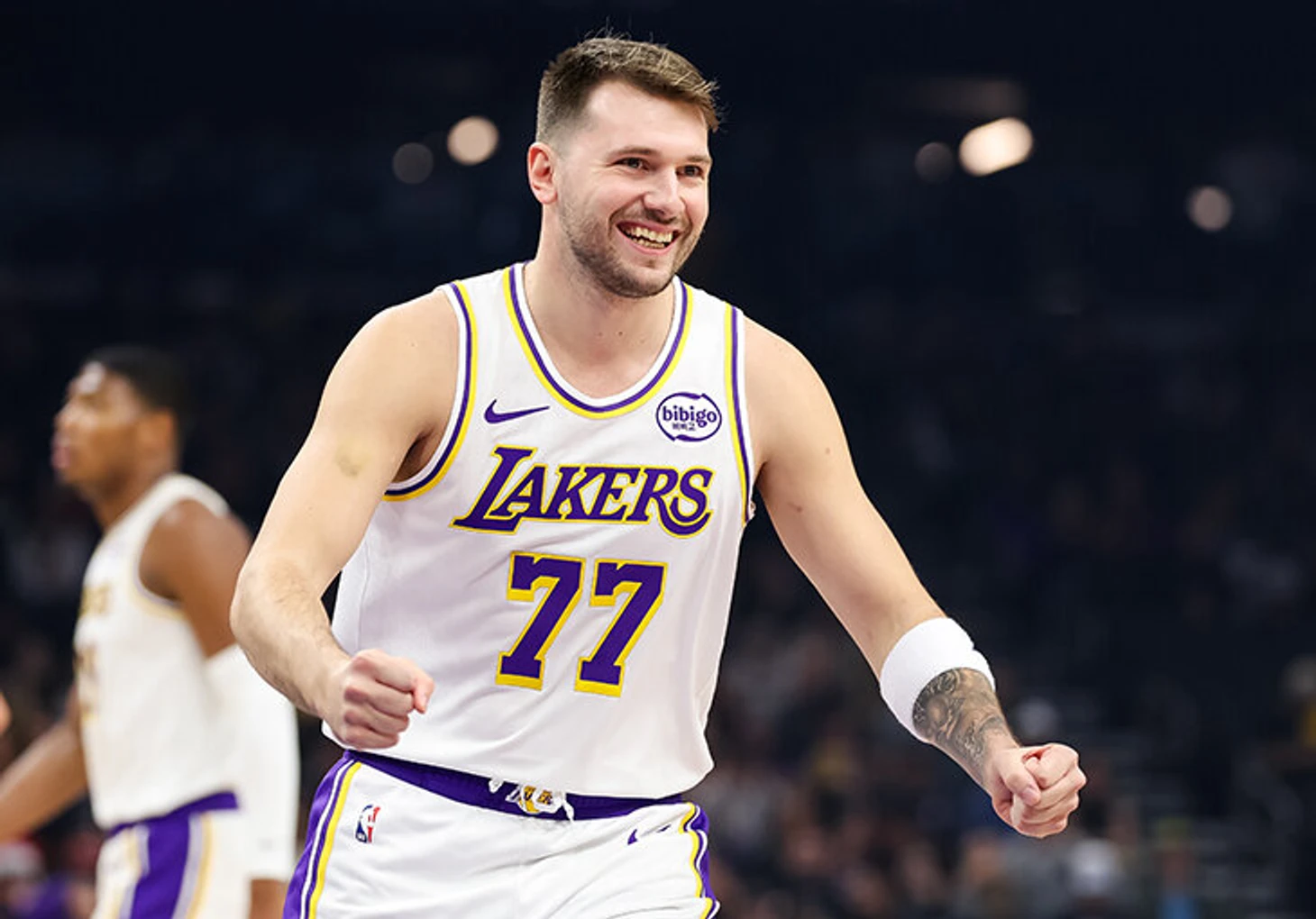
Luka Dončić, 26 — Guard, Los Angeles Lakers (20–10)
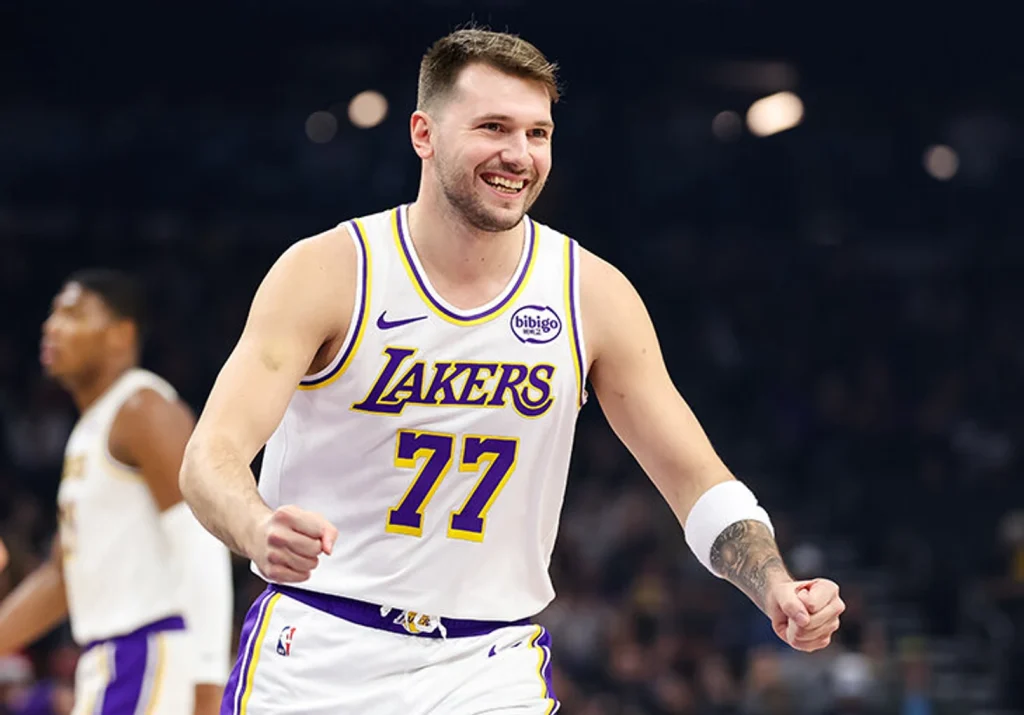
23 games, 36.3 minutes per game
33.7 points, 8.6 assists, 8.3 rebounds, 1.6 steals, 4.3 turnovers
46.2% FG — 32.4% 3PT — 80.3% FT
Los Angeles entered the season with optimism after a strong start, but cracks have begun to show. Defensive issues, inconsistent supporting play, and injuries have forced Dončić to shoulder an enormous burden.
Dončić frequently plays through minor injuries and is asked to create offense under difficult conditions. His effort level has increased noticeably in recent weeks, particularly on defense, where he has shown more communication and activity. The Lakers often face a difficult choice: push their stars harder or risk losing games due to limited depth.
Despite the challenges, Dončić remains the most reliable element of the roster. At 20–10 and fifth in the conference, the Lakers would likely accept this position if offered before the season. Still, the current stretch has exposed structural issues that place an unsustainable load on their leaders.
Kevin Durant, 37 — Forward, Houston Rockets (20–10)
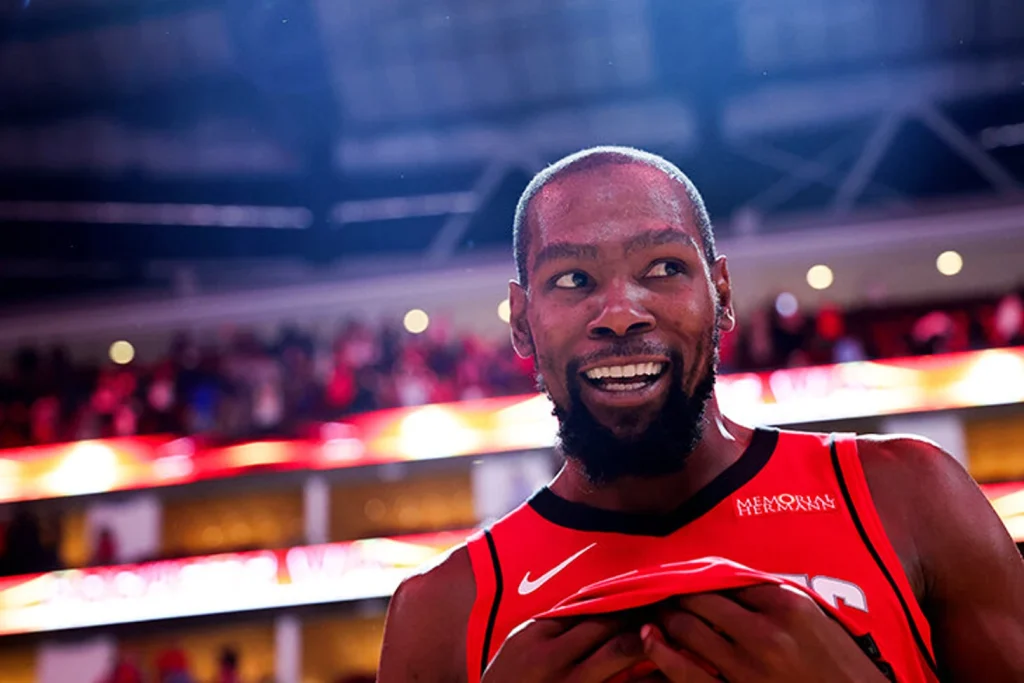
28 games, 36.0 minutes per game
25.5 points, 5.0 rebounds, 4.3 assists, 1.0 block, 3.1 turnovers
52.2% FG — 43.7% 3PT — 89.4% FT
At 37, Kevin Durant ranks fourth in the league in minutes per game, a figure that sounds alarming at first glance. In practice, his role is carefully managed.
Houston plays at one of the slowest paces in the league, reducing Durant’s running load. His offensive responsibilities are narrower than at any previous point in his career, with a career-low usage rate. Durant is primarily asked to score efficiently, not dominate possession.
The result is one of the most efficient shooting seasons of his career, including elite three-point accuracy. Houston relies on him as a late-clock solution and isolation scorer, a role Durant can realistically maintain for several more seasons if managed correctly.
James Harden, 36 — Guard, Los Angeles Clippers (10–21)
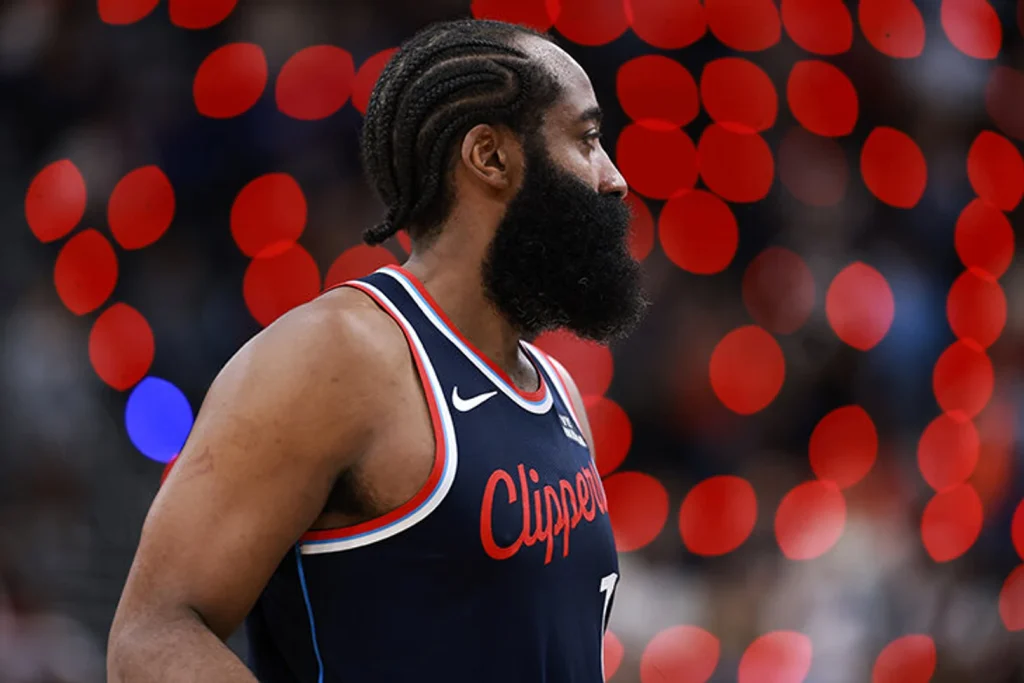
29 games, 35.8 minutes per game
26.3 points, 8.0 assists, 5.0 rebounds, 1.3 steals, 3.8 turnovers
43.5% FG — 37.1% 3PT — 89.2% FT
The Clippers’ season unraveled quickly, leaving Harden as the primary stabilizer for long stretches. He often plays entire first quarters, setting the tone early but struggling to sustain the same level deep into games.
Stat splits illustrate the issue clearly: Harden is far more efficient in the first half than the second, a predictable outcome given his age and workload. Only after Kawhi Leonard’s return did the Clippers begin to stabilize, though the margin for error remains slim.
As long as Leonard and Brook Lopez stay healthy, Los Angeles can remain competitive in the play-in race. Without them, Harden’s workload would likely become unsustainable.
Cade Cunningham, 24 — Guard, Detroit Pistons (24–8)
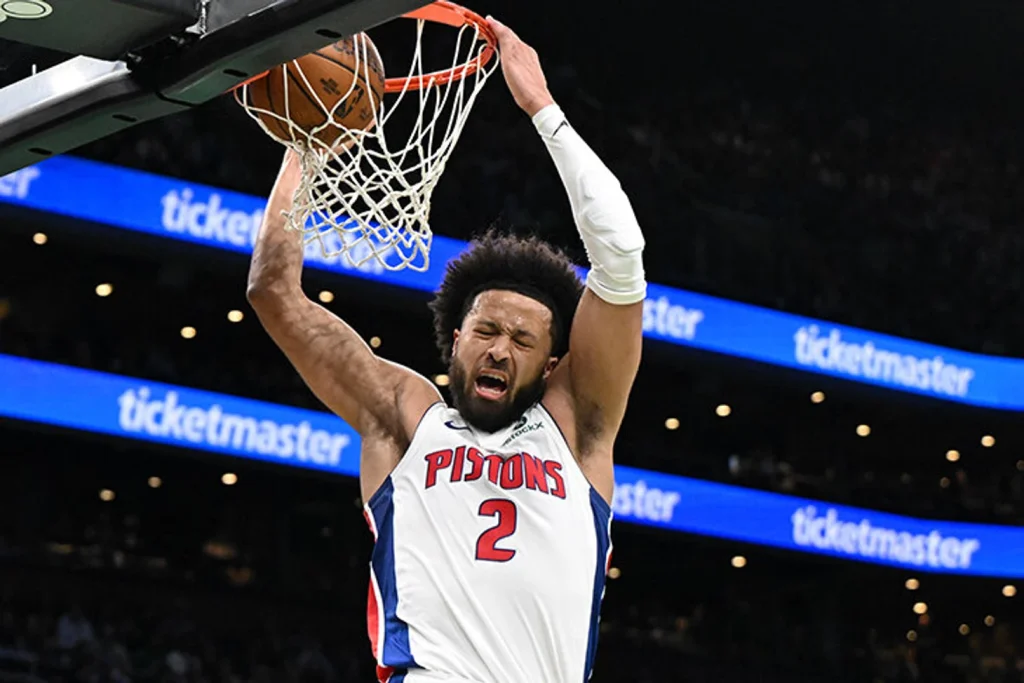
29 games, 35.8 minutes per game
26.5 points, 9.6 assists, 6.3 rebounds, 1.5 steals, 3.9 turnovers
46.2% FG — 33.1% 3PT — 82% FT
Detroit’s rise has been driven by energy, defense, and Cade Cunningham’s steady growth. While the Pistons’ offense is relatively simple, it is far from ineffective. Cunningham has improved his shooting consistency month by month, particularly from three-point range.
Spacing remains crucial to his success. When shooters convert, Cunningham controls games. When they do not, defensive pressure increases dramatically. Still, his ability to adjust mid-game — even after difficult first halves — speaks to long-term playoff readiness.
Alperen Şengün, 23 — Center, Houston Rockets (20–10)
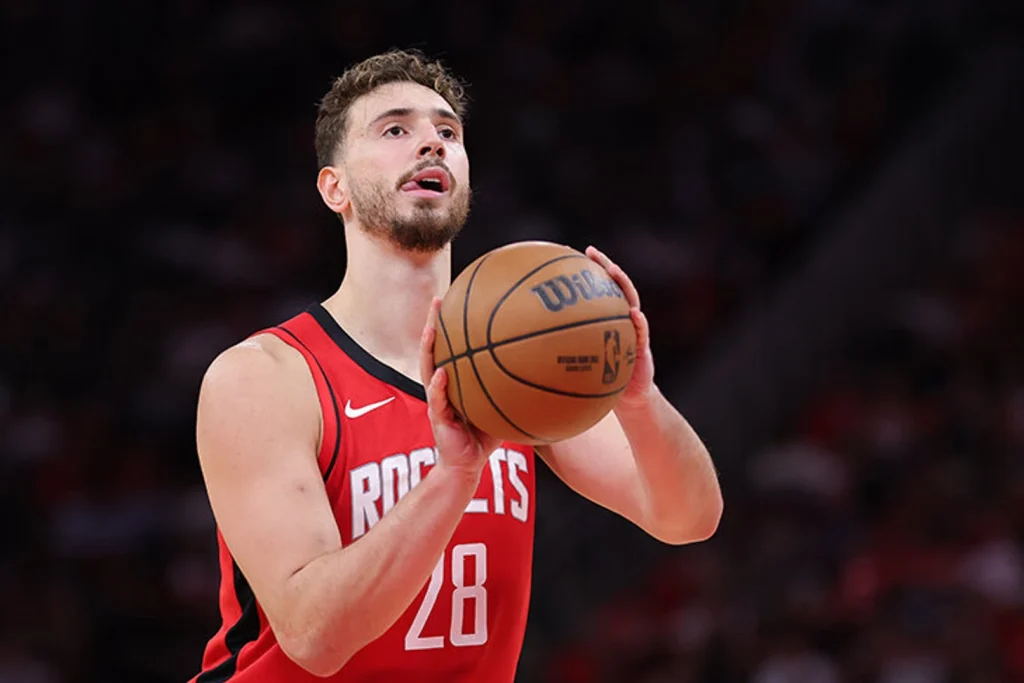
26 games, 35.6 minutes per game
22.7 points, 9.4 rebounds, 6.8 assists, 1.5 steals, 1.0 block, 3.5 turnovers
50.8% FG — 31.7% 3PT — 73.6% FT
Şengün carries one of the heaviest offensive burdens among centers in the league. Houston runs much of its half-court offense through him, requiring constant movement, passing, and isolation work.
Shooting inconsistency has become more pronounced under fatigue, with clear splits based on rest days. After a long international summer and limited recovery time, managing Şengün’s workload may be critical to Houston’s long-term success.
Jalen Brunson, 28 — Guard, New York Knicks (23–9)
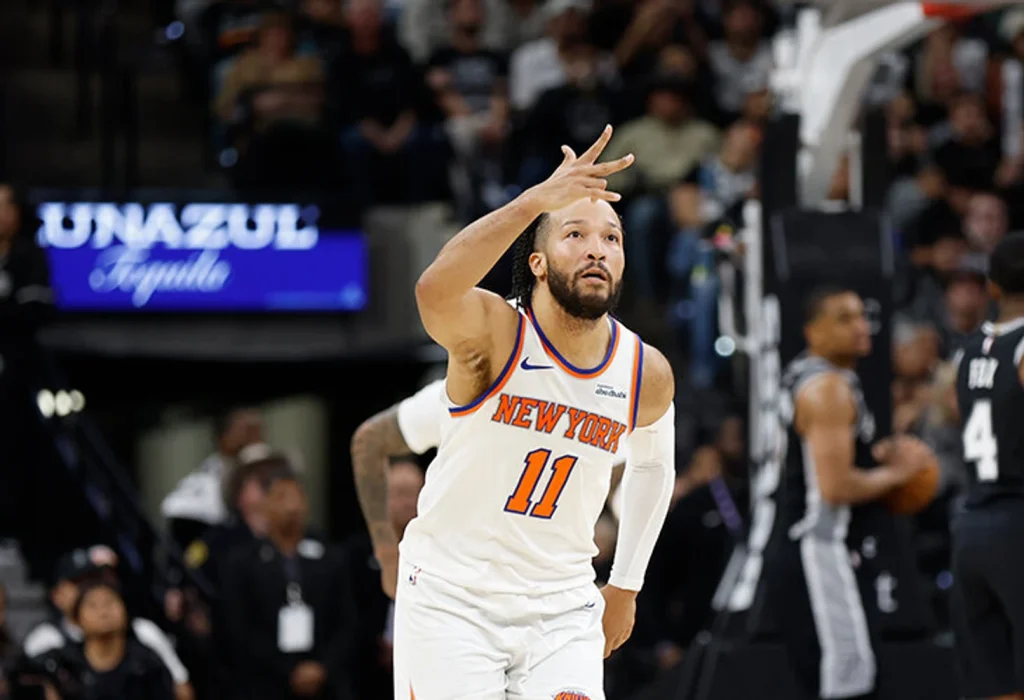
29 games, 35.5 minutes per game
29.4 points, 6.6 assists, 3.3 rebounds, 2.2 turnovers
47.9% FG — 38.5% 3PT — 84.7% FT
New York has surged by returning to a familiar structure while adding perimeter shooting. Brunson’s role has expanded accordingly: more minutes, more shots, and more responsibility.
Despite the workload, his consistency remains exceptional. Night after night, Brunson delivers efficient scoring through pick-and-rolls, midrange shooting, and timely three-pointers. As long as results continue to follow, his minutes will remain a secondary concern.
In a league increasingly defined by rest and rotation management, these players represent the opposite extreme — the ones carrying the heaviest burdens. Whether that workload becomes a competitive advantage or a long-term risk will define the second half of the season.
Want to follow these players in action?
Check out the full NBA schedule to stay up to date with upcoming games, tip-off times, and key matchups throughout the regular season. The schedule is updated daily and helps track when the league’s heaviest-minute players are back on the floor.